
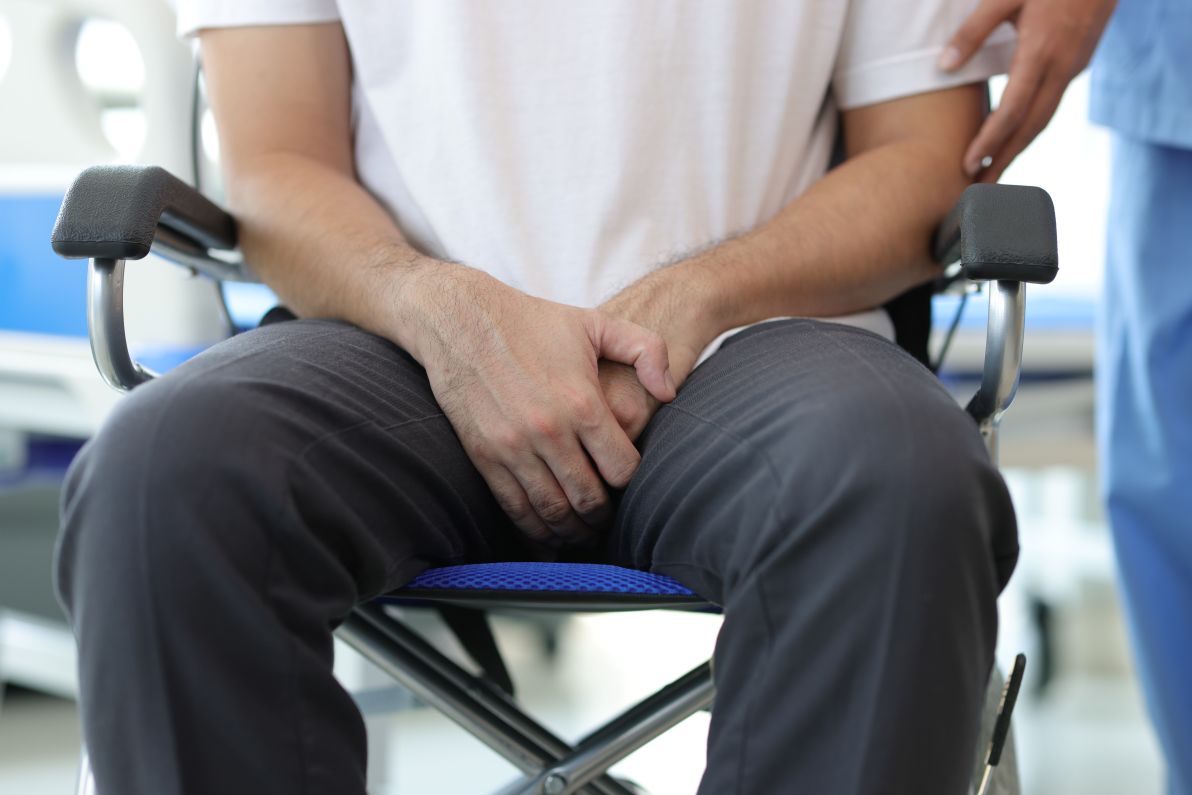
Penile glans necrosis is a rare condition which occurs when the tip (glans) of the penis becomes infected, or has reduced blood flow (ischemia), which eventually causes tissue death (necrosis). While it is rare (most infections or ischemia cases are resolved), penile glans necrosis can be devastating or cause significant cosmetic and functional damages to the tip of the penis.
You may be able to recognize the beginnings of penile glans necrosis. The tip of the penis will begin to darken, eventually turning black. Additionally, the tip of the penis may feel painful to the touch, or with urination.
Because it is so rare, there is not a lot of research about penile glans necrosis, and therefore, not much knowledge about effective care. The current solution usually ends with surgery to debride (remove) the necrotic (dead) tissue and avoid further damage. However, there is no official treatment or specific care protocol in existing medical guidelines.
What Causes Penile Glans Necrosis?
Luckily, several urologists (penis doctors) have recently reviewed all penile glans necrosis studies to date in order to provide suggestions for how best to treat the condition. In total, all reviewed papers included 89 patients ranging from 8 days old to 86 years old, with a variety of causes. Researchers did find that the main cause of necrosis was circumcision (61% of cases), which explains the youngest age in the patient group as many western societies normalize circumcision at a young age.
The second most common cause of necrosis was prostatic artery embolization (15%). This is a common surgical procedure that treats enlarged prostates, effectively reducing blood flow to the prostate. Researchers suggest the necrosis may be a result of complications with catheter placement or removal.
While the authors did include fewer cases in this study, penile glans necrosis may be a complication of penile prosthesis placement as well. If this does occur, it may be necessary to remove the device. Additionally, penile glans necrosis may be caused by penile calciphylaxis, which is a rare and often fatal condition. Penile calciphylaxis is primarily related to diabetes and end-stage renal disease. If you have a metabolic condition and notice any signs of necrosis, ulcers, or calcium deposits on your penis, it’s important to seek medical help immediately.
Interestingly, researchers did find a connection with the grade, or level, of ischemia and the success of treatment. Grade A (less severe) ischemia usually had a better treatment outcome than Grade B (more severe). In this case, a good outcome consists of the majority of the penis glans being saved, with minimal girth and length loss.
Potential Treatments and Author Recommendations
The main goal of treatment is to restore blood flow, remove the cause, reduce the chance of blood clots, and improve the oxygen supply (also via blood flow). Most frequently, hyperbaric oxygen therapy (HBOT) was used as a first-line treatment. This involves locking the affected tissue (or full body) in a pure-oxygen tube, which creates an environment that can help improve oxygenation and blood flow.
Additionally, clinicians may add pentoxifylline, which is a type of erectile dysfunction medication and blood thinner. Together, HBOT and pentoxifylline can help minimize ischemia, and potentially restore the ischemic tissue (avoiding necrosis).
The authors recommend a combination of several treatments, depending on how early-on necrosis is brought to them. First, a pentoxifylline dose, the HBOT, then debridement (removal) of necrotic tissues, then a course of antibiotics if any further infections occur, and topical testosterone (usually a gel) in areas with color changes.
Key Takeaways
- Penile glans necrosis is a rare condition, mainly resulting from post-surgery infections or complications, but may also occur with priapism (prolonged erection), sexually transmitted infections (STIs), etc.
- It may present itself as the tip of the penis gradually turning black, with pain in the head with touch or while peeing. Please seek a doctor immediately if this occurs.
- The earlier necrosis is caught, the easier it may be to save.
- Clinicians may recommend a cocktail of treatments including erectile dysfunction medications, HBOT, antibiotics, and surgery to remove the dead or dying tissue (debridement).
- It’s important to pay attention to your body and follow post-surgery instructions to the “T” in order to avoid infection.
References
Buss, H. F., Ferreira, F. T., Giles, T. G., & Giles, T. G. (2025). Systematic review of Penile glans necrosis. The Journal of Sexual Medicine, 22(11), 1978–1991. https://doi.org/10.1093/jsxmed/qdaf251
Pereira, T. A., Osmonov, D., & Bernie, H. L. (2024). Minimizing the risk of penile gangrene in the patient undergoing penile implant surgery. The Journal of Sexual Medicine, 21(9), 749–750. https://doi.org/10.1093/jsxmed/qdae076
You may also be interested in...
Conditions
Buried Penis
January 9, 2023Blog
Early Signs of Peyronie’s Disease and When to Seek Help
April 30, 2026Did You Know?
What Are the Most Common Sex Injuries?
January 21, 2025SMSNA Patients
The SMSNA’s Position on Cosmetic Penile Enhancement Procedures
July 9, 2024Blog
An Overview of Concealed Penis
February 16, 2021Other Popular Articles

What Is the Average Penis Size?
If you have ever wondered how your penis compares to others in terms of size, you are not alone. Many men are curious to know how their penises stack up compared to the average. Unfortunately, general curiosity can sometimes give way to full-on obsession and anxiety about penis size. This can be an unhealthy and often unnecessary fixation, especially because most men who think their penises are too small have perfectly normal-sized penises.

Can Sex Reduce Menstrual Cramps?
The SMSNA periodically receives and publishes ‘guest editorials.’ The current article was submitted by Mia Barnes, a freelance writer and researcher who specializes in women's health, wellness, and healthy living. She is the Founder and Editor-in-Chief of Body+Mind Magazine.
Having sex while you experience menstrual cramps is healthy and can provide significant benefits. While it might not be the first activity that comes to mind when your PMS or period cramping begins, many people enjoy sex to reduce menstrual cramps, experience increased pleasure and benefit from other advantages. Learn more about having sex while menstrual cramps are happening and how it can help your body.

What Is Sensate Focus and How Does It Work?
Sensate focus is a technique used to improve intimacy and communication between partners around sex, reduce sexual performance anxiety, and shift away from ingrained, goal-oriented sexual patterns that may not be serving a couple.

What Is Jelqing, and Does It Actually Work?
The term “jelqing” refers to a set of penis stretching exercises that some believe can make the penis bigger. Although the practice has gained attention and popularity in blogs and internet forums in recent years, there is no scientific evidence that it is an effective way to permanently increase the size of one’s penis. In fact, in some cases, jelqing may actually cause damage to the penis, so it is a good idea to get all the facts before setting off to try it.

How Long Does It Take the Average Man to Ejaculate?
On average, it takes a man between 5 to 7 minutes to orgasm and ejaculate during sexual intercourse.
Can Sex Throw off Your Vaginal pH Balance?
The SMSNA periodically receives and publishes ‘guest editorials.’ The current article was submitted by Mia Barnes, a freelance writer and researcher who specializes in women's health, wellness, and healthy living. She is the Founder and Editor-in-Chief of Body+Mind Magazine.
Your vagina is a pretty powerful organ. It is a pathway for menstrual blood and babies. It also is a main player in sexual intercourse. You might hear about your vagina’s pH and worry that yours is at risk. Here’s what to know about vaginal pH, including the impacts sex could have.
Attention: Restrictions on use of SMSNA content in third party applications, including artificial intelligence technologies, such as large language models and generative AI.
You are prohibited from using or uploading content you accessed through this website into external applications, bots, software, or websites, including those using artificial intelligence technologies and infrastructure, including deep learning, machine learning and large language models and generative AI.