
The SMSNA periodically receives and publishes ‘guest editorials.’ The current article was submitted by Mia Barnes, a freelance writer and researcher who specializes in women's health, wellness, and healthy living. She is the Founder and Editor-in-Chief of Body+Mind Magazine.
Body image struggles can quietly reshape a relationship. If your partner feels uneasy about how they look, intimacy can start to feel like a spotlight instead of a shared experience. You may notice them avoiding certain positions, keeping the lights off, or pulling away altogether. Understanding why this happens and learning how to respond can help you both feel closer rather than more distant.
Understand How Body Image Affects Intimacy
Body image is more than a passing thought about appearance. It shapes how safe, confident, and present someone feels during physical closeness. When a person feels critical or uncomfortable about their body, they may become distracted by self-conscious thoughts instead of focusing on the moment with you. This can lower desire, reduce enjoyment, and even lead to avoiding intimacy altogether.
Recognizing this as a real emotional experience, rather than a simple confidence issue, is the first step toward supporting your partner well. Once you understand what your partner is going through, the way you respond matters just as much as what you say.
Listen Without Trying to Fix It
When your partner opens up about body image concerns, your instinct may be to jump straight to reassurance or solutions. Instead, try listening first. Ask open questions, reflect back what you hear, and let them finish their thoughts before responding. This active listening approach can help your partner feel heard rather than managed.
Avoid comparing their experience to your own or minimizing their feelings, even with good intentions. Simply being present and attentive can ease some of the pressure they feel. Listening builds trust, and that trust becomes the foundation for shifting how intimacy feels for both of you.
Shift the Focus from Appearance to Connection
Redirecting attention away from appearance and toward shared pleasure can make intimacy feel safer for a partner working through body image concerns. Try dimming distractions, slowing down, and checking in with each other, rather than treating intimacy as a performance to get right.
Practicing body acceptance together as a couple, rather than placing the responsibility on one partner, can also ease self-consciousness over time. Small gestures, such as eye contact or genuine compliments unrelated to looks, remind your partner that connection matters more than physical perfection. This kind of gradual shift works best when paired with realistic expectations.
Encourage Small Steps Instead of Big Changes
Body image struggles rarely resolve overnight, and pushing for quick change can backfire. Instead, celebrate small wins, such as a night your partner felt more relaxed or a moment they let their guard down. Avoid pressuring them to "just get over it" or to try something before they feel ready. Patience shows that your support is unconditional.
Over time, consistent reassurance without pressure can help your partner rebuild confidence at their own pace. Small, consistent habits make the biggest difference:
- Notice and acknowledge moments of progress, however small
- Let your partner set the pace for trying new things
- Avoid ultimatums or comparisons to past experiences
- Check in regularly outside of intimate moments, not just during them
Know When to Suggest Professional Support
If body image concerns feel persistent or deeply distressing despite your support, it may be time to involve a professional. Deeper issues, such as anxiety, past trauma, or a broader mental health condition, sometimes drive body image struggles.
A therapist who specializes in body image or a sex therapist can offer tools that go beyond what a partner alone can provide. Your doctor's office can also help identify whether a physical or hormonal factor is contributing to the issue. Suggesting professional support is not a failure on your part.
Supporting Your Partner Through Their Struggle
Supporting a partner through body image struggles takes ongoing patience, not a single conversation. By listening closely, focusing on connection over appearance and encouraging progress at your partner's own pace, you can help intimacy feel like a source of comfort again rather than pressure.
Resources
Baxter, R. (2024, May 23). How Does Body Image Affect Sexual Confidence and Satisfaction? Sexual Medicine Society of North America. https://smsna.org/patients/did-you-know/how-does-body-image-affect-sexual-confidence-and-satisfaction
Baxter, R. (2024, October 2). How Can Women Maintain Body Confidence and a Healthy Sexual Relationship After Mastectomy? International Society for Sexual Medicine. https://www.issm.info/sexual-health-qa/how-can-women-maintain-body-confidence-and-a-healthy-sexual-relationship-after-mastectomy
Sevita Health. (2026, February 9). Building Body Acceptance: A Mental Health Approach to Self-Compassion. https://blog.sevitahealth.com/body-acceptance
University of Florida College of Journalism and Communications. (2023, June 5). Are You Satisfied? Examining Positive Interaction and Satisfaction in Romantic Relationships. https://www.jou.ufl.edu/insights/are-you-satisfied-examining-positive-interaction-and-satisfaction-in-romantic-relationships/
You may also be interested in...
Did You Know?
How Does Lichen Sclerosus Affect Sexual Health in Women?
October 6, 2026Did You Know?
What Are Strategies for Overcoming Sexual Performance Anxiety?
March 18, 2025Did You Know?
How Does Porn Exposure Affect Body Image?
August 8, 2024Did You Know?
How Does Body Image Affect Sexual Confidence and Satisfaction?
June 11, 2024Other Popular Articles
What Is the Average Penis Size?
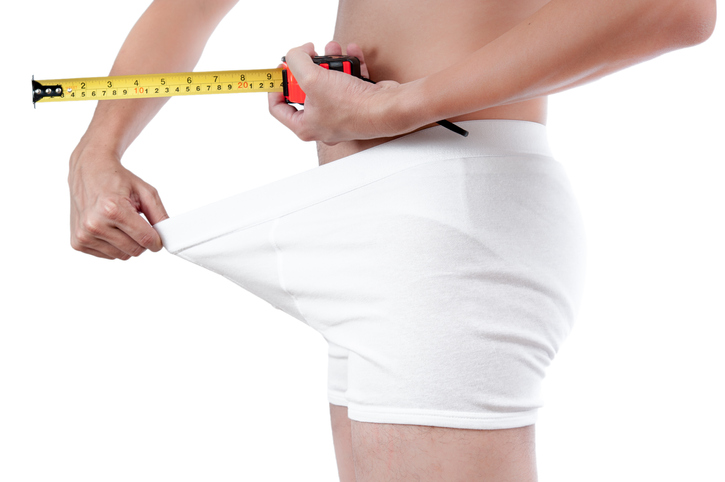
If you have ever wondered how your penis compares to others in terms of size, you are not alone. Many men are curious to know how their penises stack up compared to the average. Unfortunately, general curiosity can sometimes give way to full-on obsession and anxiety about penis size. This can be an unhealthy and often unnecessary fixation, especially because most men who think their penises are too small have perfectly normal-sized penises.
Can Sex Reduce Menstrual Cramps?
The SMSNA periodically receives and publishes ‘guest editorials.’ The current article was submitted by Mia Barnes, a freelance writer and researcher who specializes in women's health, wellness, and healthy living. She is the Founder and Editor-in-Chief of Body+Mind Magazine.
Having sex while you experience menstrual cramps is healthy and can provide significant benefits. While it might not be the first activity that comes to mind when your PMS or period cramping begins, many people enjoy sex to reduce menstrual cramps, experience increased pleasure and benefit from other advantages. Learn more about having sex while menstrual cramps are happening and how it can help your body.

What Is Sensate Focus and How Does It Work?
Sensate focus is a technique used to improve intimacy and communication between partners around sex, reduce sexual performance anxiety, and shift away from ingrained, goal-oriented sexual patterns that may not be serving a couple.

What Is Jelqing, and Does It Actually Work?
The term “jelqing” refers to a set of penis stretching exercises that some believe can make the penis bigger. Although the practice has gained attention and popularity in blogs and internet forums in recent years, there is no scientific evidence that it is an effective way to permanently increase the size of one’s penis. In fact, in some cases, jelqing may actually cause damage to the penis, so it is a good idea to get all the facts before setting off to try it.

How Long Does It Take the Average Man to Ejaculate?
On average, it takes a man between 5 to 7 minutes to orgasm and ejaculate during sexual intercourse.
Can Sex Throw off Your Vaginal pH Balance?
The SMSNA periodically receives and publishes ‘guest editorials.’ The current article was submitted by Mia Barnes, a freelance writer and researcher who specializes in women's health, wellness, and healthy living. She is the Founder and Editor-in-Chief of Body+Mind Magazine.
Your vagina is a pretty powerful organ. It is a pathway for menstrual blood and babies. It also is a main player in sexual intercourse. You might hear about your vagina’s pH and worry that yours is at risk. Here’s what to know about vaginal pH, including the impacts sex could have.
Attention: Restrictions on use of SMSNA content in third party applications, including artificial intelligence technologies, such as large language models and generative AI.
You are prohibited from using or uploading content you accessed through this website into external applications, bots, software, or websites, including those using artificial intelligence technologies and infrastructure, including deep learning, machine learning and large language models and generative AI.