Penile Prosthesis Could Help with Erectile Dysfunction-Related Depression
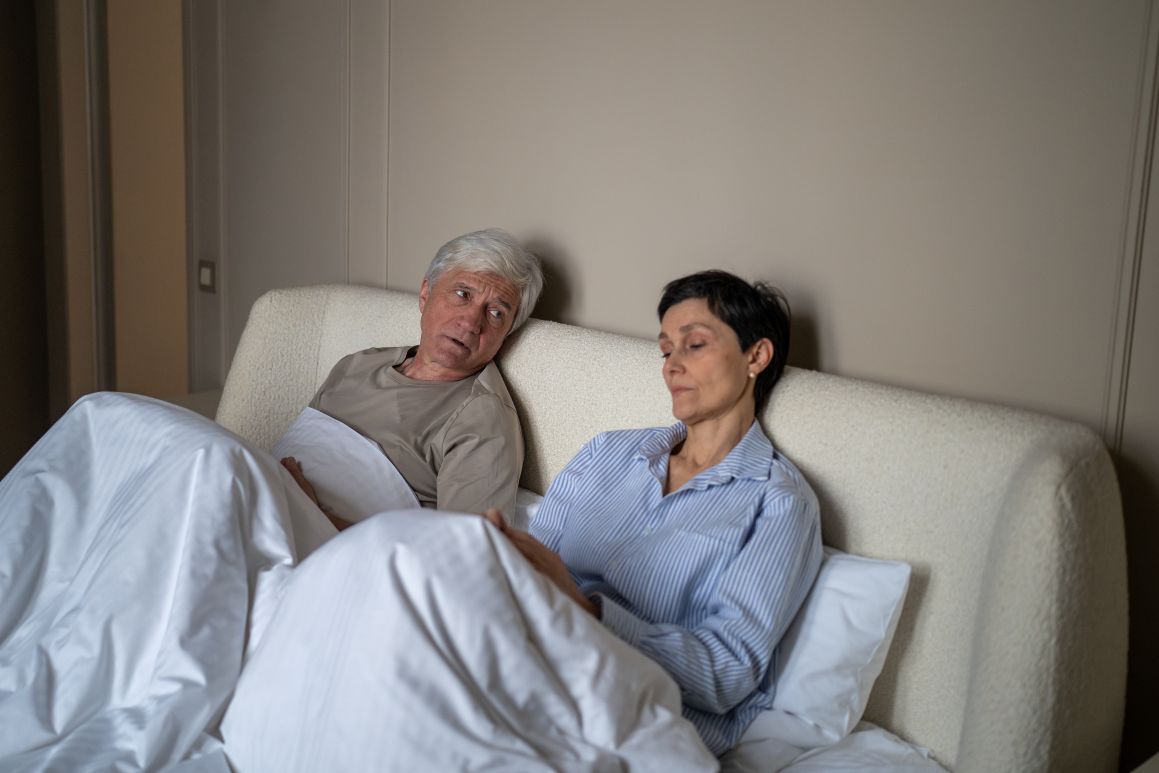
Erectile dysfunction (ED) can impact mental health and put strain on intimate relationships. This can also affect a man’s overall quality of life and may lead to depression. Recent statistics suggest that up to one-fourth of men who have ED also suffer from depression.
ED can contribute to depression, but depression can also contribute to ED. This cycle can lead to a low sex drive (libido) or anxiety around sexual activity. Men may also struggle to seek treatment or medical advice.
Some research suggests that treating ED with a penile implant may also help with sexual distress related to mental health. Recently, a study used health records from across the United States to explore this relationship.
The records included men with chronic or organic ED who received a penile implant. Their average age was 65. Many were overweight, diabetic, or had high blood pressure or high cholesterol. About one-third of the patients had experienced prostate cancer or clogged arteries (ischemic heart disease). Of these patients, 255 had mental health questionnaire results that researchers could use to study depression or anxiety.
These included the Patient Health Questionnaire (PHQ), which measures depression and psychological distress, and the Generalized Anxiety Disorder (GAD) questionnaire, which measures anxiety. Results were compared with a reference group of men with ED who did not receive penile implants.
Depression After Penile Implant Surgery
The results showed that depression symptoms improved after implant surgery, but anxiety did not. Among patients who had at least mild symptoms before implantation:
- PHQ-4 scores decreased by 53.7% post-implant surgery.
- PHQ-2 scores decreased by 46.7% post-implant surgery.
- PHQ-9 scores decreased by 23.5% post-implant surgery.
- GAD scores showed no improvement.
The number of patients who reported “moderate” to “severe” depression (based on the questionnaires) decreased by over 20% after implantation. In the reference group, this number decreased by only 12%.
Medications showed a similar pattern. There were 597 patients with prescriptions for antidepressants or anti-anxiety medications. About four out of 10 patients with a penile implant stopped their prescriptions within a year. About three out of 10 patients without an implant stopped their prescriptions.
These results suggest that treating ED with an inflatable or malleable penile implant may also help relieve depression symptoms associated with ED.
Previous research also supports a link between penile implants and psychological health. Studies have found improvements in mood, self-esteem, and depression symptoms. However, few studies have used the PHQ-9 to compare depression before and after implant surgery. This study was also limited by the number of patients with questionnaire results from both before and after the surgery.
Key Takeaways
- This real-world study looked at the potential for penile implants to improve symptoms of depression in men with organic or chronic ED.
- Depression symptoms improved after an inflatable or malleable penile implant, which contributed to improvement in ED symptoms compared to a reference group.
- These results highlight the importance of mental health screening for men with ED. Patients and providers can also discuss the available options for treating ED and related depression symptoms. If ED is causing psychological distress, it may be beneficial to speak with a healthcare provider.
Resources
Khera, M., Andrew, A. S., Kang, W., Liu, G., Reiling, C. M., Roane, A., & Nelson, C. J. (2026). Implantable penile prosthesis treatment of erectile dysfunction is associated with relief from depression. The Journal of Sexual Medicine, 23(9). Oxford Academic. https://doi.org/10.1093/jsxmed/qdag262
You may also be interested in...
Blog
How Can Depression Affect Your Sex Drive?
February 2, 2023SMSNA Patients
Patient Quality of Life and Satisfaction After Inflatable Penile Implantation
September 13, 2022Blog
What Are Some Ways a Person Can Enhance Sexual Desire?
June 7, 2022SMSNA Patients
Erectile Dysfunction Is a Risk Factor for Major Depressive Disorder, According to New Study
January 4, 2022Did You Know?
Penile Implants From a Partner's Perspective
November 2, 2021Did You Know?
Penile Implants for Erectile Dysfunction: A Q&A With an Implant Specialist
September 14, 2021SMSNA Patients
Are Men and Their Partners Really Satisfied With Their Penile Implants?
June 15, 2021SMSNA
Treating Dyspareunia in Female Partners of Patients With Inflatable Penile Prostheses
October 23, 2021SMSNA
Findings on Location and Severity of Pain After Inflatable Penile Prosthesis Surgery
October 21, 2021Other Popular Articles
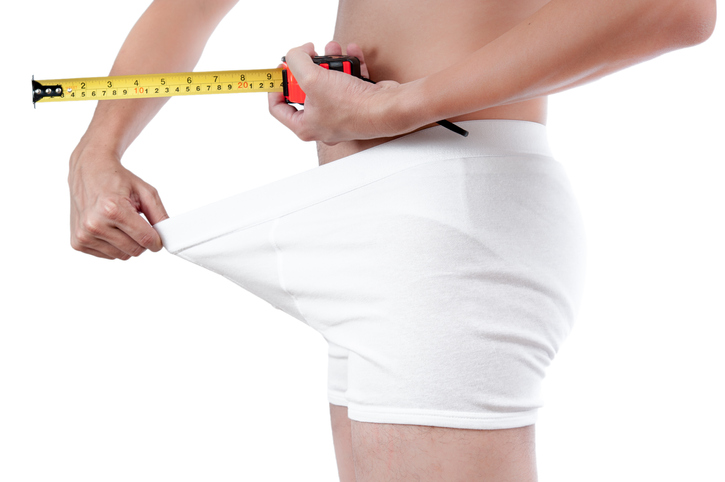
What Is the Average Penis Size?
If you have ever wondered how your penis compares to others in terms of size, you are not alone. Many men are curious to know how their penises stack up compared to the average. Unfortunately, general curiosity can sometimes give way to full-on obsession and anxiety about penis size. This can be an unhealthy and often unnecessary fixation, especially because most men who think their penises are too small have perfectly normal-sized penises.

Can Sex Reduce Menstrual Cramps?
The SMSNA periodically receives and publishes ‘guest editorials.’ The current article was submitted by Mia Barnes, a freelance writer and researcher who specializes in women's health, wellness, and healthy living. She is the Founder and Editor-in-Chief of Body+Mind Magazine.
Having sex while you experience menstrual cramps is healthy and can provide significant benefits. While it might not be the first activity that comes to mind when your PMS or period cramping begins, many people enjoy sex to reduce menstrual cramps, experience increased pleasure and benefit from other advantages. Learn more about having sex while menstrual cramps are happening and how it can help your body.

What Is Sensate Focus and How Does It Work?
Sensate focus is a technique used to improve intimacy and communication between partners around sex, reduce sexual performance anxiety, and shift away from ingrained, goal-oriented sexual patterns that may not be serving a couple.
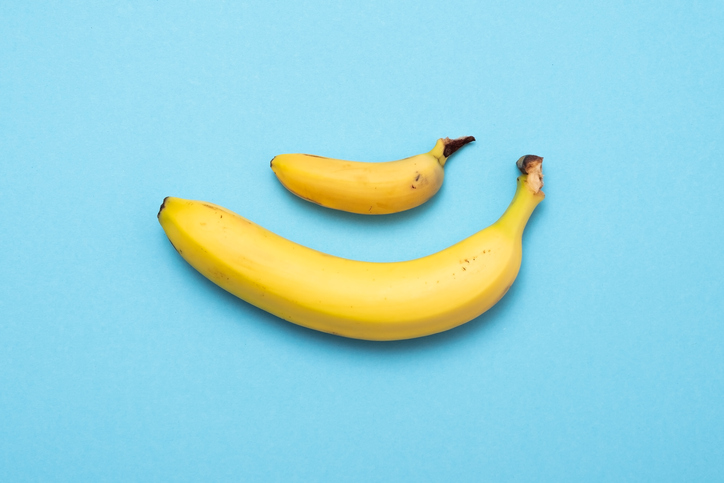
What Is Jelqing, and Does It Actually Work?
The term “jelqing” refers to a set of penis stretching exercises that some believe can make the penis bigger. Although the practice has gained attention and popularity in blogs and internet forums in recent years, there is no scientific evidence that it is an effective way to permanently increase the size of one’s penis. In fact, in some cases, jelqing may actually cause damage to the penis, so it is a good idea to get all the facts before setting off to try it.

How Long Does It Take the Average Man to Ejaculate?
On average, it takes a man between 5 to 7 minutes to orgasm and ejaculate during sexual intercourse.
Can Sex Throw off Your Vaginal pH Balance?
The SMSNA periodically receives and publishes ‘guest editorials.’ The current article was submitted by Mia Barnes, a freelance writer and researcher who specializes in women's health, wellness, and healthy living. She is the Founder and Editor-in-Chief of Body+Mind Magazine.
Your vagina is a pretty powerful organ. It is a pathway for menstrual blood and babies. It also is a main player in sexual intercourse. You might hear about your vagina’s pH and worry that yours is at risk. Here’s what to know about vaginal pH, including the impacts sex could have.
Attention: Restrictions on use of SMSNA content in third party applications, including artificial intelligence technologies, such as large language models and generative AI.
You are prohibited from using or uploading content you accessed through this website into external applications, bots, software, or websites, including those using artificial intelligence technologies and infrastructure, including deep learning, machine learning and large language models and generative AI.