Out-of-control sexual behavior (OCSB) is a complex issue that has been the focus of much debate and discussion within the fields of psychology and sexual health. It encompasses a range of behaviors where individuals experience a perceived loss of control over their sexual urges, thoughts, or activities.
Unlike more structured pathology-based models such as “sex addiction” or “compulsive sexual behavior disorder,” the OCSB model uses a more integrative and descriptive approach to understand and address sexual dysregulation. This article will provide a comprehensive overview of OCSB by exploring the conceptual differences between different models and identifying precise language that can be used to describe this situation.
Defining Out-of-Control Sexual Behavior
Out-of-control sexual behavior is defined as a sexual health problem where an individual’s consensual sexual urges, thoughts, or behaviors feel out of control (Braun-Harvey & Vigorito, 2016). Importantly, this definition does not imply that the person is truly out of control but rather emphasizes their subjective experience of feeling unable to manage their sexual desires. This approach intentionally avoids labeling or diagnostic language, such as “addiction” or “disorder,” which can pathologize the experience and limit the understanding of its origins.
The OCSB model considers that just because someone feels out of control doesn’t mean they are. The analogy of the “elephant and the rider” is often used to illustrate this phenomenon. Imagine the rider (representing rational thought and control) trying to steer an elephant (representing emotional impulses). When they are aligned, the rider can guide the elephant with ease, but if they are in conflict, it can feel like the elephant is running wild. In this sense, the experience of feeling “out of control” may stem from an internal struggle between conscious goals and underlying emotional or psychological states.
Conceptual Models of Sexual Dysregulation
Sexual dysregulation, which includes feelings of being unable to control one’s sexual behaviors, can be understood through multiple conceptual lenses:
- Pathology-Based Models:
This category includes conceptualizations like sex addiction, hypersexual behavior disorder, and compulsive sexual behavior disorder. Each of these models implies a distinct psychological disorder, similar to substance use disorders, where a person experiences compulsive engagement in sexual activities, loss of control, and distress. However, these models have been criticized for lacking consensus on diagnostic criteria and for applying addiction-like frameworks to sexual behavior, which may not fit the unique dynamics of sexual dysregulation (Grubbs et al., 2020). - Sexual Dysregulation as a Symptom of Pre-Existing Conditions:
Rather than being a standalone issue, sexual dysregulation is often a symptom of other medical or psychiatric conditions such as bipolar disorder, attention-deficit/hyperactivity disorder (ADHD), or Parkinson’s disease and its treatments. Misidentifying sexual dysregulation as the primary condition rather than addressing the underlying health issues can lead to ineffective treatment and even psychological harm by inserting a “disease narrative” that might not apply. - Moral Incongruence:
Moral incongruence occurs when a person’s sexual behaviors are at odds with their personal values or beliefs, creating internal conflict and distress. This model is not necessarily linked to the frequency or type of behavior but rather the subjective interpretation of these actions as morally wrong. Research shows that individuals who view themselves as “addicted” to pornography or sexual activities often experience more distress due to this moral incongruence than from the behaviors themselves (Grubbs et al., 2020). - Psychosexual Problem:
The psychosexual model recognizes that sexual dysregulation exists on a spectrum between sexual worry and sexual disorder. It accounts for the varied origins and presentations of OCSB without requiring a diagnosis of addiction or compulsive behavior. This perspective allows for more individualized treatment approaches and acknowledges that people can benefit from support even if their experiences do not meet strict diagnostic criteria (Braun-Harvey & Vigorito, 2016).
Treatment Approaches in the OCSB Model
The OCSB model focuses on treating underlying vulnerabilities and addressing self-regulation, attachment, and erotic conflict issues rather than framing the behavior itself as the problem. The goal is to improve overall sexual health and well-being rather than eliminate specific sexual behaviors. Recommended strategies include:
- Cognitive-Behavioral Therapy (CBT) for addressing maladaptive thought patterns and building healthier coping mechanisms.
- Emotion Regulation Training to enhance self-regulation skills.
- Attachment-Based Therapy to address unresolved relational conflicts that may manifest as sexual dysregulation.
- Psychosexual Education to help individuals develop a healthier relationship with their sexuality.
Seeking support from an AASECT-certified sex therapist who is experienced in OCSB is crucial. Unlike 12-step programs, which apply addiction frameworks, OCSB treatment should focus on helping individuals gain insight into the psychological and relational dynamics contributing to their perceived lack of control.
References:
Braun-Harvey, D., & Vigorito, M. A. (2016). Treating out of control sexual behavior: Rethinking sex addiction. Springer Publishing Company. https://doi.org/10.1891/9780826196767
Grubbs, J. B., Perry, S. L., Wilt, J. A., & Reid, R. C. (2019). Pornography Problems Due to Moral Incongruence: An Integrative Model with a Systematic Review and Meta-Analysis. Archives of sexual behavior, 48(2), 397–415. https://doi.org/10.1007/s10508-018-1248-x
You may also be interested in...
Other Popular Articles
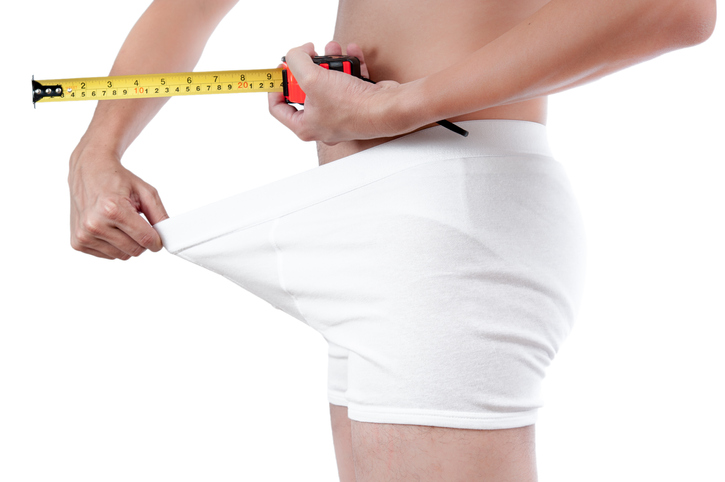
What Is the Average Penis Size?
If you have ever wondered how your penis compares to others in terms of size, you are not alone. Many men are curious to know how their penises stack up compared to the average. Unfortunately, general curiosity can sometimes give way to full-on obsession and anxiety about penis size. This can be an unhealthy and often unnecessary fixation, especially because most men who think their penises are too small have perfectly normal-sized penises.
Can Sex Reduce Menstrual Cramps?
The SMSNA periodically receives and publishes ‘guest editorials.’ The current article was submitted by Mia Barnes, a freelance writer and researcher who specializes in women's health, wellness, and healthy living. She is the Founder and Editor-in-Chief of Body+Mind Magazine.
Having sex while you experience menstrual cramps is healthy and can provide significant benefits. While it might not be the first activity that comes to mind when your PMS or period cramping begins, many people enjoy sex to reduce menstrual cramps, experience increased pleasure and benefit from other advantages. Learn more about having sex while menstrual cramps are happening and how it can help your body.
What Is Sensate Focus and How Does It Work?
Sensate focus is a technique used to improve intimacy and communication between partners around sex, reduce sexual performance anxiety, and shift away from ingrained, goal-oriented sexual patterns that may not be serving a couple.

What Is Jelqing, and Does It Actually Work?
The term “jelqing” refers to a set of penis stretching exercises that some believe can make the penis bigger. Although the practice has gained attention and popularity in blogs and internet forums in recent years, there is no scientific evidence that it is an effective way to permanently increase the size of one’s penis. In fact, in some cases, jelqing may actually cause damage to the penis, so it is a good idea to get all the facts before setting off to try it.

How Long Does It Take the Average Man to Ejaculate?
On average, it takes a man between 5 to 7 minutes to orgasm and ejaculate during sexual intercourse.
Can Sex Throw off Your Vaginal pH Balance?
The SMSNA periodically receives and publishes ‘guest editorials.’ The current article was submitted by Mia Barnes, a freelance writer and researcher who specializes in women's health, wellness, and healthy living. She is the Founder and Editor-in-Chief of Body+Mind Magazine.
Your vagina is a pretty powerful organ. It is a pathway for menstrual blood and babies. It also is a main player in sexual intercourse. You might hear about your vagina’s pH and worry that yours is at risk. Here’s what to know about vaginal pH, including the impacts sex could have.
Attention: Restrictions on use of SMSNA content in third party applications, including artificial intelligence technologies, such as large language models and generative AI.
You are prohibited from using or uploading content you accessed through this website into external applications, bots, software, or websites, including those using artificial intelligence technologies and infrastructure, including deep learning, machine learning and large language models and generative AI.
Subscribe for our Newsletter!