
How Do Hormone Therapies for Breast Cancer Affect Libido and Sexual Function?
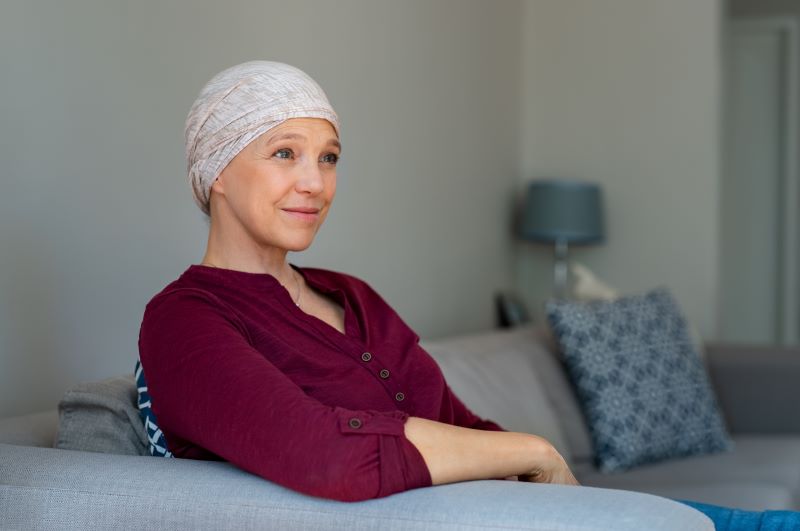
Breast cancer treatment often includes hormone therapies, which can be highly effective in reducing cancer recurrence and improving survival rates. However, these therapies can also impact a woman’s sexual health and overall quality of life. Many women experience changes in libido, vaginal health, and sexual function during and after treatment, which can be difficult to navigate emotionally and physically.
What Are Hormone Therapies?
Hormone therapies for breast cancer are typically used when the cancer is hormone receptor-positive, meaning its growth is fueled by hormones like estrogen or progesterone. Common hormone therapies include:
- Selective Estrogen Receptor Modulators (SERMs) – These medications, such as tamoxifen, block estrogen receptors in breast tissue.
- Aromatase Inhibitors (AIs) – Such as letrozole, anastrozole, and exemestane, reduce estrogen levels in postmenopausal women by preventing the conversion of androgens into estrogen.
- Gonadotropin-Releasing Hormone (GnRH) Agonists – These suppress the ovaries from producing estrogen, essentially inducing menopause in premenopausal women.
While effective in managing cancer, hormone therapies often come with side effects, including sexual changes that are rarely discussed in depth.
Impact on Libido and Sexual Function
One of the most common side effects of hormone therapies is a decrease in sexual desire or libido. This can happen for a few reasons:
- Lower Estrogen Levels: Estrogen is a key hormone in maintaining vaginal health, lubrication, and sexual responsiveness. When levels drop significantly due to hormone therapy, women may notice reduced vaginal lubrication, making intercourse uncomfortable or painful.
- Testosterone Suppression: Although known primarily as a male hormone, testosterone is also present in women and plays a crucial role in libido. Many breast cancer hormone therapies can suppress testosterone levels, leading to a decrease in sexual desire and satisfaction.
- Emotional and Physical Changes: Cancer treatment can take a significant toll on emotional well-being. Body image changes, fatigue, anxiety, or depression are common and can compound the physical side effects of hormone therapy, further diminishing sexual interest.
Addressing Vaginal Dryness and Discomfort
Vaginal dryness, burning, or pain during intercourse is a frequent concern for women undergoing hormone therapies. These symptoms often result from a thinning of the vaginal tissues (vaginal atrophy) due to low estrogen levels. Some ways to manage these symptoms include:
- Non-Hormonal Lubricants and Moisturizers: Water-based or silicone-based lubricants can reduce friction and discomfort during intercourse. Vaginal moisturizers used a few times per week can also help maintain hydration and tissue elasticity.
- Vaginal Estrogen Treatments: Although systemic estrogen is often contraindicated for women with hormone-sensitive breast cancer, localized vaginal estrogen therapies like creams or rings may be considered under the guidance of a healthcare provider. These treatments deliver low doses of estrogen directly to vaginal tissues, helping to alleviate dryness without significantly raising systemic estrogen levels.
Supporting Sexual Health and Intimacy
Maintaining intimacy and sexual health during and after breast cancer treatment requires a holistic approach. Open communication with healthcare providers and partners is key. Some strategies to improve sexual health include:
- Counseling or Sex Therapy: Professional support from a counselor or sex therapist can help women and their partners navigate changes in sexual desire and intimacy, addressing both emotional and relationship concerns.
- Pelvic Floor Physical Therapy: For women experiencing pain during intercourse, pelvic floor exercises and therapy can strengthen vaginal muscles and reduce discomfort, enhancing sexual function.
- Exploring Different Types of Intimacy: Women may need to redefine what intimacy means during this time. Focusing on non-sexual forms of affection, such as cuddling, massage, or spending quality time together, can help maintain connection without the pressure to engage in sexual activities.
Talking to Your Healthcare Provider
Women experiencing changes in sexual function during breast cancer treatment should feel empowered to discuss these concerns with their healthcare team. Options are available to manage side effects and support a healthy, satisfying sex life, even in the face of challenging treatments. Taking a proactive approach to sexual health can improve overall quality of life and help women feel more in control during their breast cancer journey.
By understanding how hormone therapies impact sexual health, women can make informed decisions and access resources to maintain their well-being during and after treatment.
For more information on this topic, please read these publications from the ISSM Journals: The Journal of Sexual Medicine, Sexual Medicine Reviews, and Sexual Medicine Open Access:
References:
Bober, S. L., & Varela, V. S. (2012). Sexuality in adult cancer survivors: challenges and intervention. Journal of clinical oncology: official journal of the American Society of Clinical Oncology, 30(30), 3712–3719. https://doi.org/10.1200/JCO.2012.41.7915
Burstein, H. J., Lacchetti, C., Anderson, H., Buchholz, T. A., Davidson, N. E., Gelmon, K. A., Giordano, S. H., Hudis, C. A., Solky, A. J., Stearns, V., Winer, E. P., & Griggs, J. J. (2019). Adjuvant Endocrine Therapy for Women With Hormone Receptor-Positive Breast Cancer: ASCO Clinical Practice Guideline Focused Update. Journal of clinical oncology: official journal of the American Society of Clinical Oncology, 37(5), 423–438. https://doi.org/10.1200/JCO.18.01160
Faubion, S. S., Larkin, L. C., Stuenkel, C. A., Bachmann, G. A., Chism, L. A., Kagan, R., Kaunitz, A. M., Krychman, M. L., Parish, S. J., Partridge, A. H., Pinkerton, J. V., Rowen, T. S., Shapiro, M., Simon, J. A., Goldfarb, S. B., & Kingsberg, S. A. (2018). Management of genitourinary syndrome of menopause in women with or at high risk for breast cancer: consensus recommendations from The North American Menopause Society and The International Society for the Study of Women’s Sexual Health. Menopause (New York, N.Y.), 25(6), 596–608. https://doi.org/10.1097/GME.0000000000001121
Kingsberg, S. A., Clayton, A. H., & Pfaus, J. G. (2015). The Female Sexual Response: Current Models, Neurobiological Underpinnings and Agents Currently Approved or Under Investigation for the Treatment of Hypoactive Sexual Desire Disorder. CNS drugs, 29(11), 915–933. https://doi.org/10.1007/s40263-015-0288-1
Nappi, R. E., Martini, E., Cucinella, L., Martella, S., Tiranini, L., Inzoli, A., Brambilla, E., Bosoni, D., Cassani, C., & Gardella, B. (2019). Addressing Vulvovaginal Atrophy (VVA)/Genitourinary Syndrome of Menopause (GSM) for Healthy Aging in Women. Frontiers in endocrinology, 10, 561. https://doi.org/10.3389/fendo.2019.00561
You may also be interested in...
Blog
What Are Some Guidelines for Prostate Cancer Survivors When It Comes to Sexual Health?
November 7, 2023Blog
What Is the Role of the Cervix in Sexual Response?
February 28, 2023Blog
Unmet Sexual Needs of Partners Following Prostatectomy
December 27, 2022Did You Know?
What Is Movember?
November 1, 2022SMSNA
Rethinking Testosterone Replacement Therapy in Men With Prostate Cancer
May 11, 2022SMSNA Patients
PSA and Total Testosterone Levels in Men With Prostate Cancer
April 26, 2022Did You Know?
How Prostate Cancer May Affect Sexual Health
October 12, 2021SMSNA Patients
Heteronormativity and Prostate Cancer in Gay and Bisexual Men
August 3, 2021Other Popular Articles

What Is the Average Penis Size?
If you have ever wondered how your penis compares to others in terms of size, you are not alone. Many men are curious to know how their penises stack up compared to the average. Unfortunately, general curiosity can sometimes give way to full-on obsession and anxiety about penis size. This can be an unhealthy and often unnecessary fixation, especially because most men who think their penises are too small have perfectly normal-sized penises.
Can Sex Reduce Menstrual Cramps?
The SMSNA periodically receives and publishes ‘guest editorials.’ The current article was submitted by Mia Barnes, a freelance writer and researcher who specializes in women's health, wellness, and healthy living. She is the Founder and Editor-in-Chief of Body+Mind Magazine.
Having sex while you experience menstrual cramps is healthy and can provide significant benefits. While it might not be the first activity that comes to mind when your PMS or period cramping begins, many people enjoy sex to reduce menstrual cramps, experience increased pleasure and benefit from other advantages. Learn more about having sex while menstrual cramps are happening and how it can help your body.

What Is Sensate Focus and How Does It Work?
Sensate focus is a technique used to improve intimacy and communication between partners around sex, reduce sexual performance anxiety, and shift away from ingrained, goal-oriented sexual patterns that may not be serving a couple.

What Is Jelqing, and Does It Actually Work?
The term “jelqing” refers to a set of penis stretching exercises that some believe can make the penis bigger. Although the practice has gained attention and popularity in blogs and internet forums in recent years, there is no scientific evidence that it is an effective way to permanently increase the size of one’s penis. In fact, in some cases, jelqing may actually cause damage to the penis, so it is a good idea to get all the facts before setting off to try it.

How Long Does It Take the Average Man to Ejaculate?
On average, it takes a man between 5 to 7 minutes to orgasm and ejaculate during sexual intercourse.
Can Sex Throw off Your Vaginal pH Balance?
The SMSNA periodically receives and publishes ‘guest editorials.’ The current article was submitted by Mia Barnes, a freelance writer and researcher who specializes in women's health, wellness, and healthy living. She is the Founder and Editor-in-Chief of Body+Mind Magazine.
Your vagina is a pretty powerful organ. It is a pathway for menstrual blood and babies. It also is a main player in sexual intercourse. You might hear about your vagina’s pH and worry that yours is at risk. Here’s what to know about vaginal pH, including the impacts sex could have.
Attention: Restrictions on use of SMSNA content in third party applications, including artificial intelligence technologies, such as large language models and generative AI.
You are prohibited from using or uploading content you accessed through this website into external applications, bots, software, or websites, including those using artificial intelligence technologies and infrastructure, including deep learning, machine learning and large language models and generative AI.